Sea, Sand, and Smiles
Welcome to Leyte
From scenic landscapes to historic landmarks, Leyte offers unforgettable experiences beyond the resort.
-
MacArthur Park
-
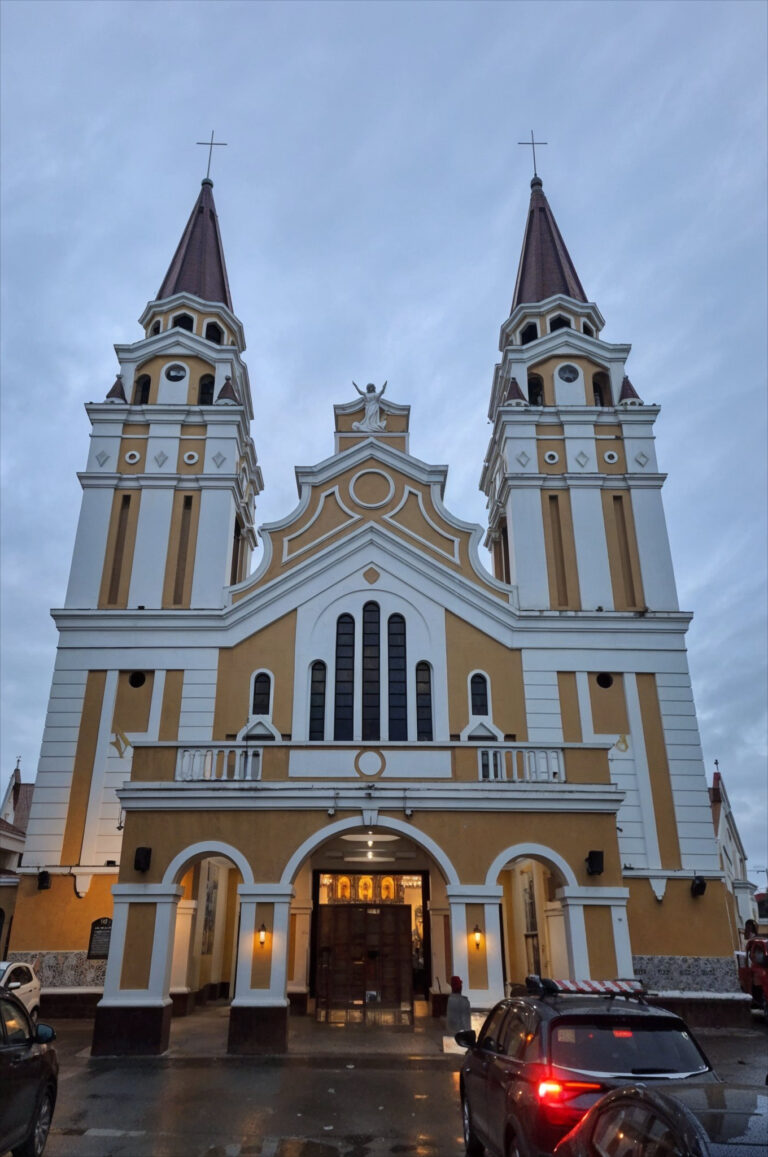
Palo Cathedral
-
San Juanico Bridge
-
Kalanggaman Island
-
Sila Island
-
Sogod Bay
-
San Juanico Golf & Country Club
-
Yolanda Memorial Astrodome
-
Sto. Nino Shrine & Heritage Museum
-
Leyte Provincial Capitol
-
Cuatro Islas
-
Sohoton Cave
-
Mahagnao Volcano Natural Park
The MacArthur Landing site sits on a 6.78-hectare (16.8-acre) coastal plain in the barangay of Candahug, some 5 kilometres (3.1 mi) south of Leyte's provincial capital Tacloban. It was formerly named Imelda Park after former First Lady Imelda Marcos who hails from Leyte Province.
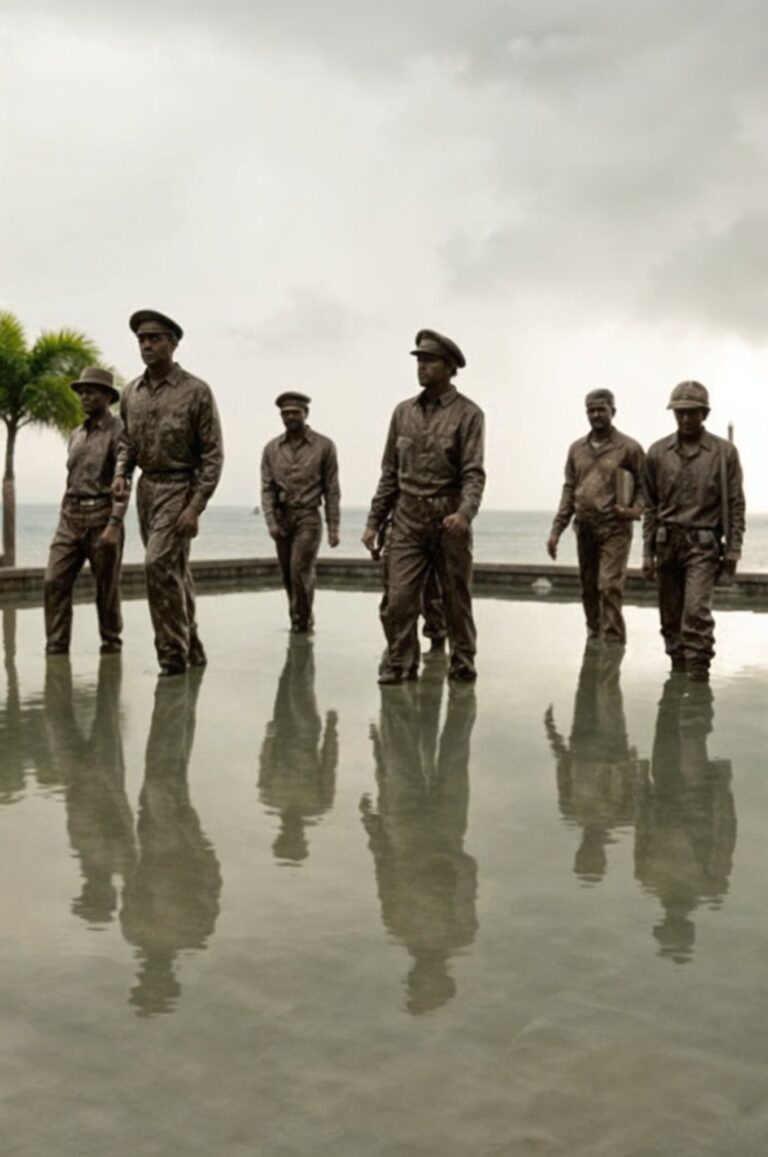
The park's focal point are the seven double-life-sized bronze statues on a shallow manmade pool depicting MacArthur and his entourage during the historic A-Day Landing as captured in the iconic photo by Gaetano Faillace. They were President-in-exile Sergio Osmeña, Lieutenant General Richard Sutherland, Brigadier General Carlos P. Romulo, Major General Courtney Whitney, Sergeant Francisco Salveron, and CBS Radio correspondent William J. Dunn.
Designed by sculptor Anastacio Caedo and inaugurated during the 37th anniversary of A-Day in 1981, the statues mark the spot where MacArthur fulfilled his famous promise of "I shall return" at Red Beach. In front of the statues, two historical markers in English and Filipino explain the significance of the scene being depicted.
A museum stands adjacent to the site containing historic photographs and memorabilia of General MacArthur, including a copy of his landing speech and a bronze cast of his footprints.
The Metropolitan Cathedral of Our Lord's Transfiguration, also known as Transfiguration of Our Lord's Cathedral or simply Palo Cathedral, is a Roman Catholic church located at Palo, Leyte, in the Philippines belonging to the Vicariate of Palo under the Metropolitan Archdiocese of Palo.
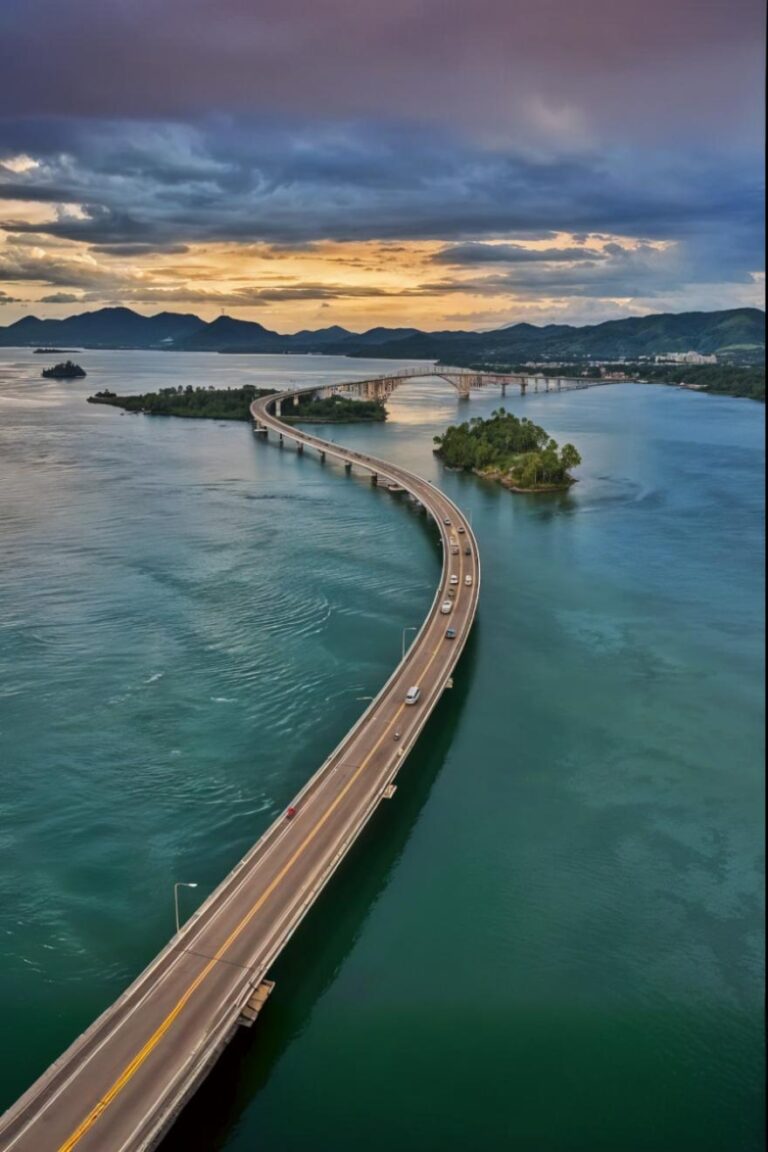
The San Juanico Bridge (Filipino: Tulay ng San Juanico; Waray: Tulay han San Juanico) is part of the Pan-Philippine Highway and stretches from Samar to Leyte across the San Juanico Strait in the Philippines. It is located by the Municipality of Santa Rita, Samar, and the City of Tacloban. Its longest length is a steel girder viaduct built on reinforced concrete piers, and its main span is of an arch-shaped truss design. Constructed during the administration of President Ferdinand Marcos through Japanese Official Development Assistance loans, it has a total length of 2.16 kilometers (1.34 mi)—the third longest bridge spanning a body of seawater in the Philippines after the Cebu–Cordova Link Expressway and Panguil Bay Bridge. It was also the longest bridge in the Philippines upon its opening in 1973, surpassed in 1976 by Candaba Viaduct of North Luzon Expressway (NLEX), another bridge that connects from one province to another, connecting the provinces of Pampanga and Bulacan.
The bridge has helped bolstered economic activity in Samar and Leyte and has become an iconic tourist attraction.
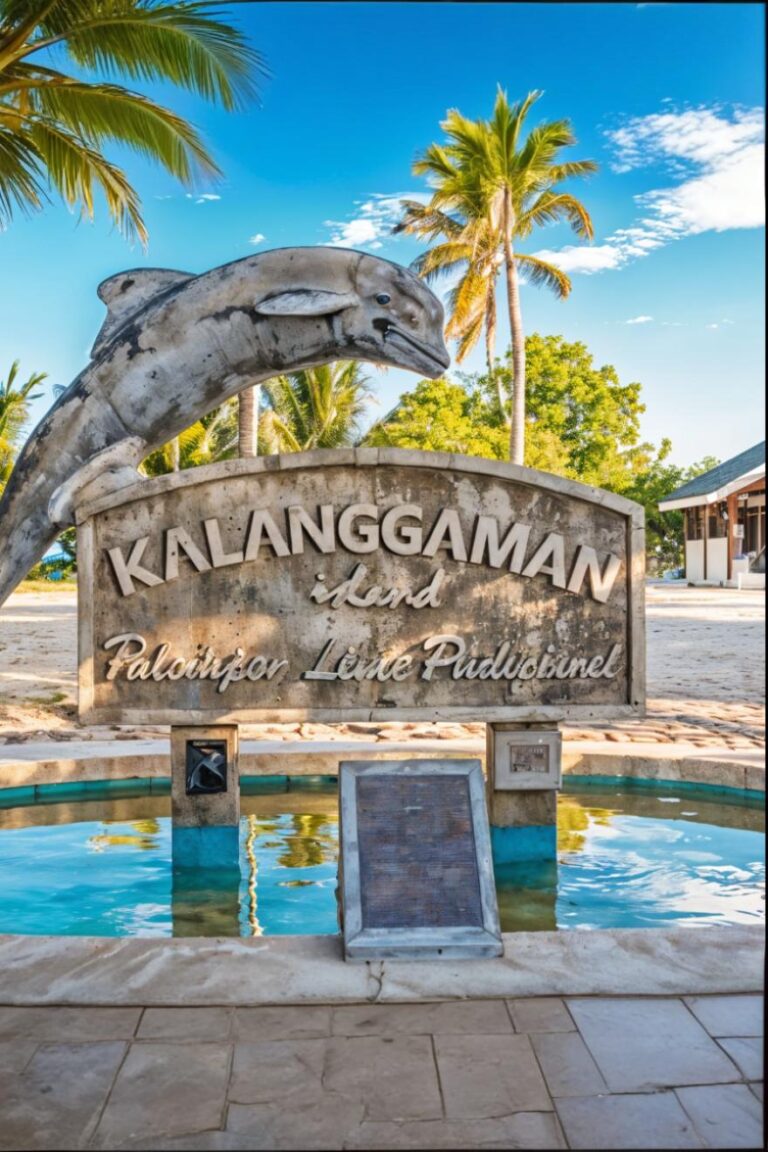
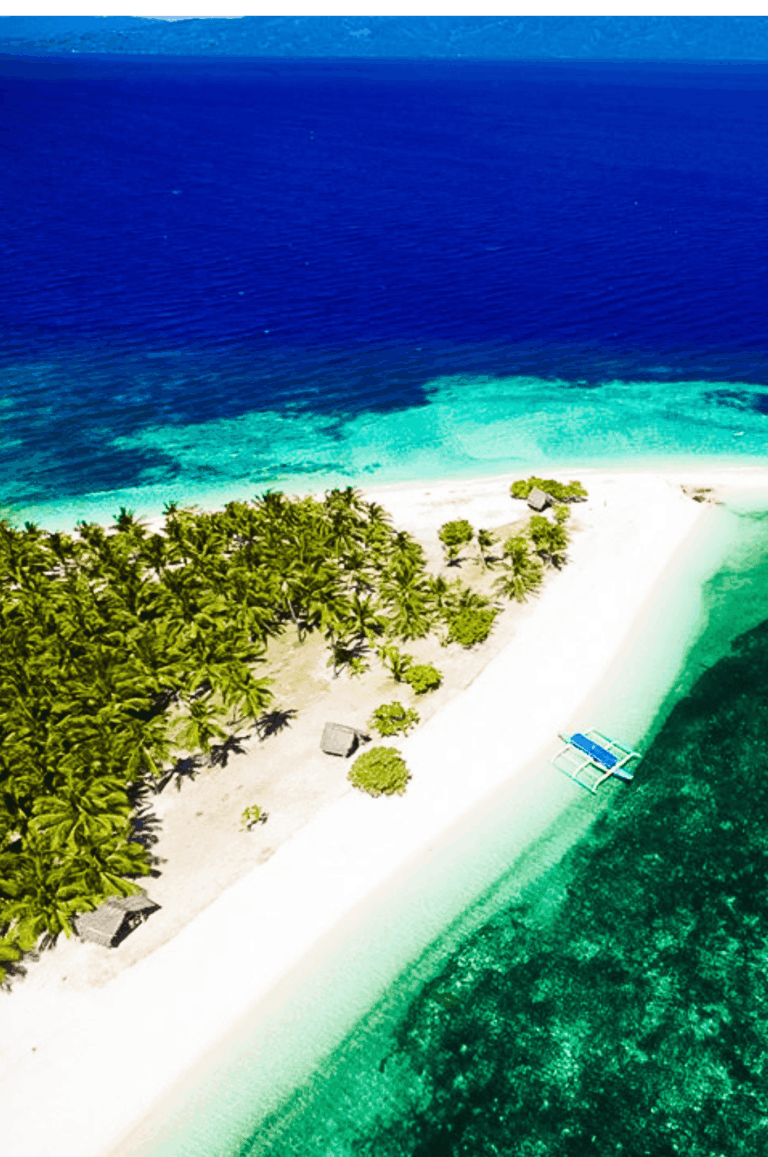
Kalanggaman Island is a sandbar located in the sea between Leyte and Cebu, in the Visayas Archipelago of the Philippines. It is located 10 kilometres west from the municipality of Palompon, Leyte. It got its name from the local word "langgam" which means bird or fowl. It is said to look like a necked bird whenever the sandbar forms. It is believed to have been a habitat for migratory birds long ago.
The island is an important breeding ground for the local ecosystem as well as a significant tourist attraction. The island is owned by the LGU Palompon.
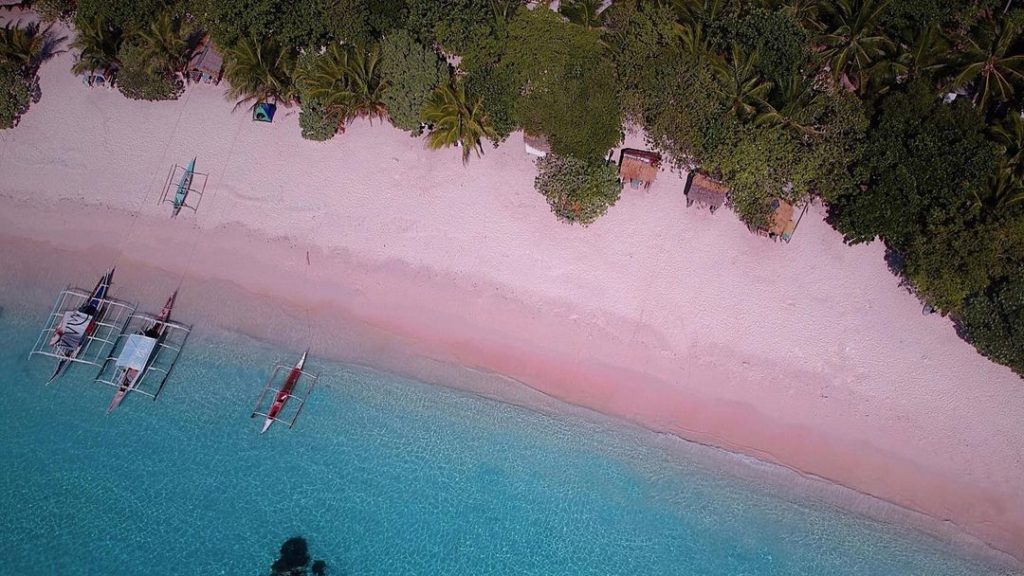
Sila Island, located in San Vicente, Northern Samar, is well-known for its pink sand and is one of the few pink sand beaches in the country. The beach originally had white sand, but over time, it turned pink due to red corals fragments washing up along the shore. These corals, along with small sea shells, get broken down by the elements, mixing with the white sand to create its unique pink color, similar to the pink of a flamingo or a salmon.
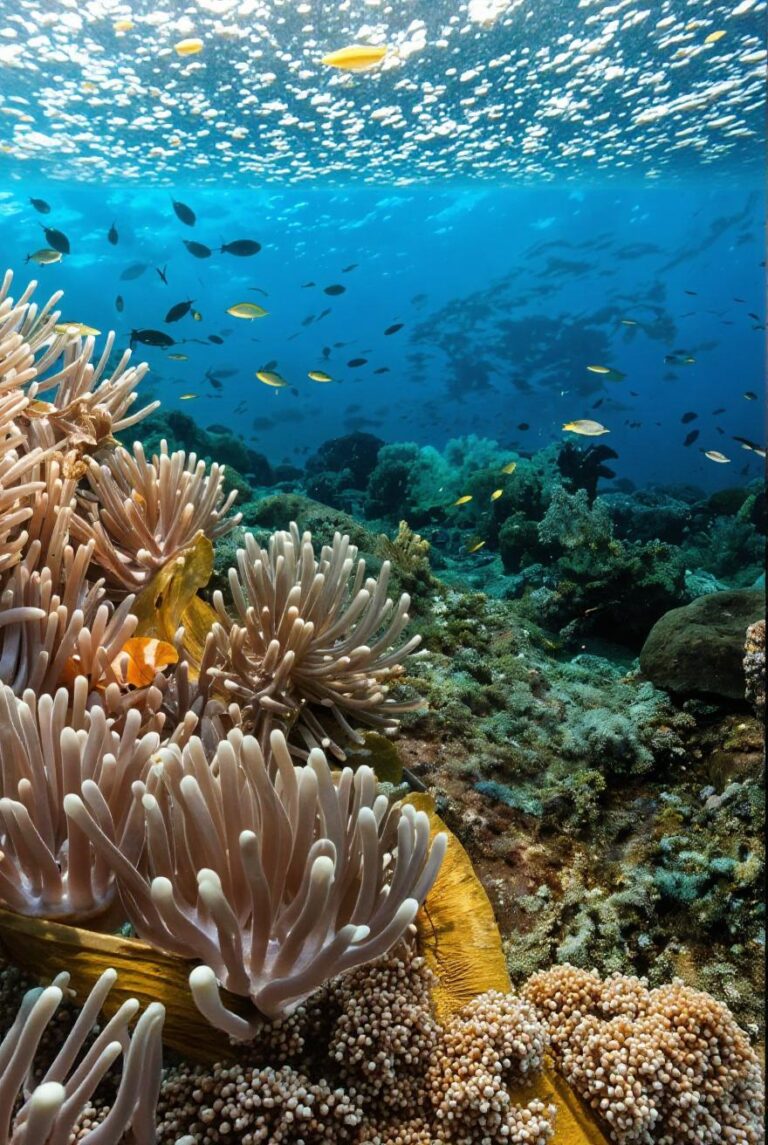
Besides taking photos, visitors can enjoy water activities like snorkeling, free diving, and scuba diving. Unlike other famous sand beaches, Sila Island has maintained untouched and hasn't been developed for commercial purposes. There are no luxury hotels nearby, so it's best to expect a more simple and natural experience.
This hidden gem is still relatively unknown, making it a perfect spot for those who want to enjoy the pink beach and clear blue sea without crowds. The best time to visit is during summer when the sand’s pink color is most vibrant and warm.
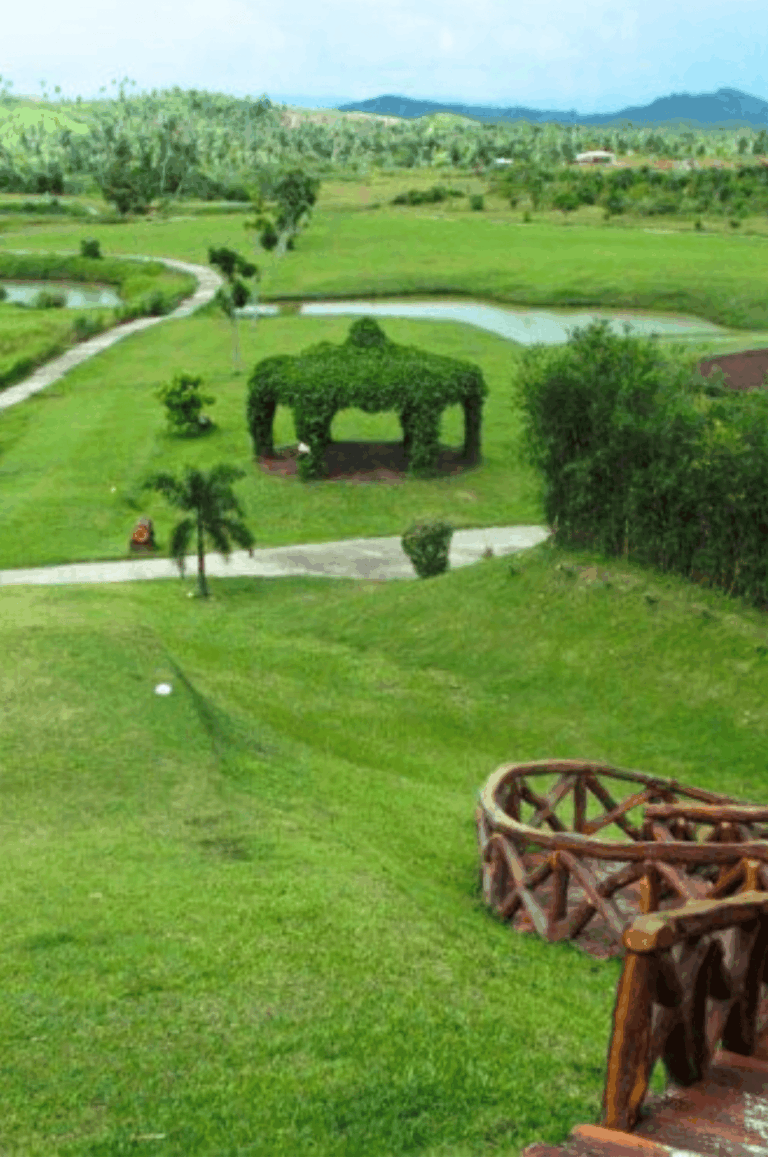
The San Juanico Park Golf & Country Club in Tacloban City, Leyte is an 18-hole course offering scenic views of the famous San Juanico Bridge. Known for its narrow fairways and sloping greens, it provides a fun challenge for golfers. The club also features a hotel, clubhouse, swimming pools, and a restaurant—making it a relaxing destination for both golfers and families just minutes from downtown Tacloban
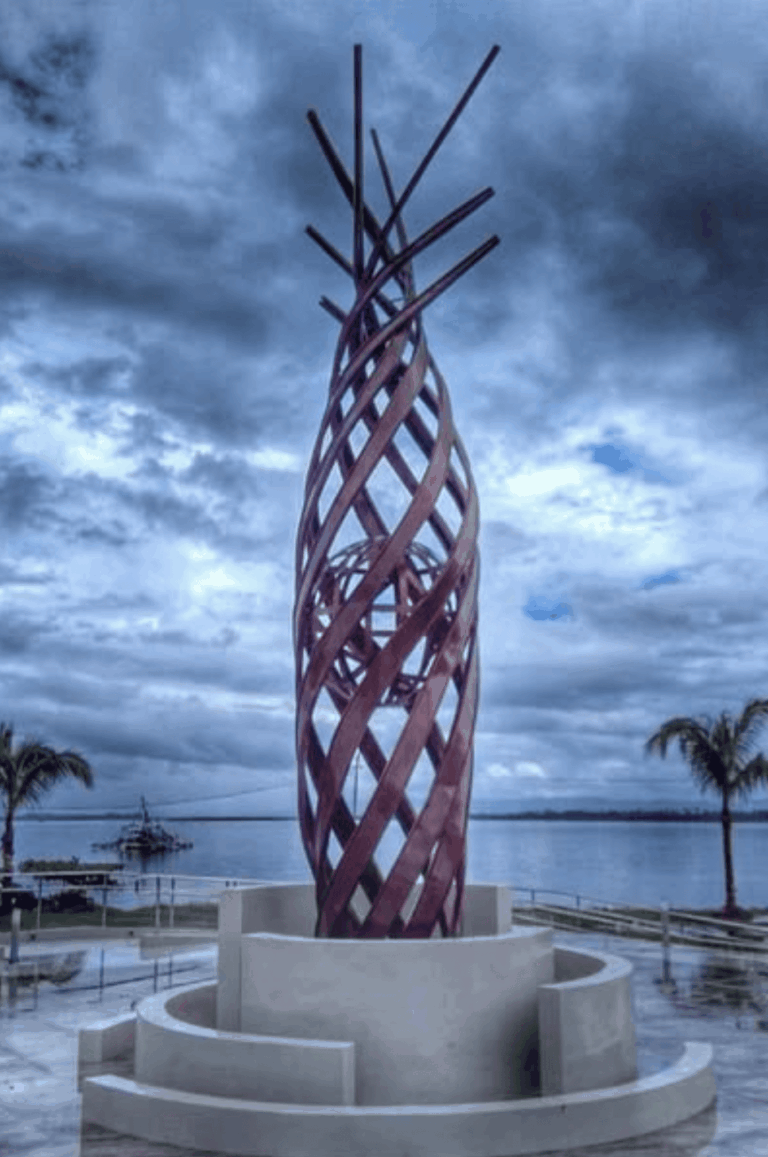
The Yolanda Memorial at the Tacloban City Astrodome is a monument beside the Astrodome (Tacloban Convention Center) in Tacloban, Leyte, Philippines. It was created to honor the memory of the thousands who died when Supertyphoon Yolanda (Haiyan) struck in November 2013.The Astrodome itself sheltered over 8,000 people during the storm. At the memorial, the names of many of the victims are inscribed, and it serves both as a reminder of tragedy and a symbol of Tacloban’s survival and resilience.
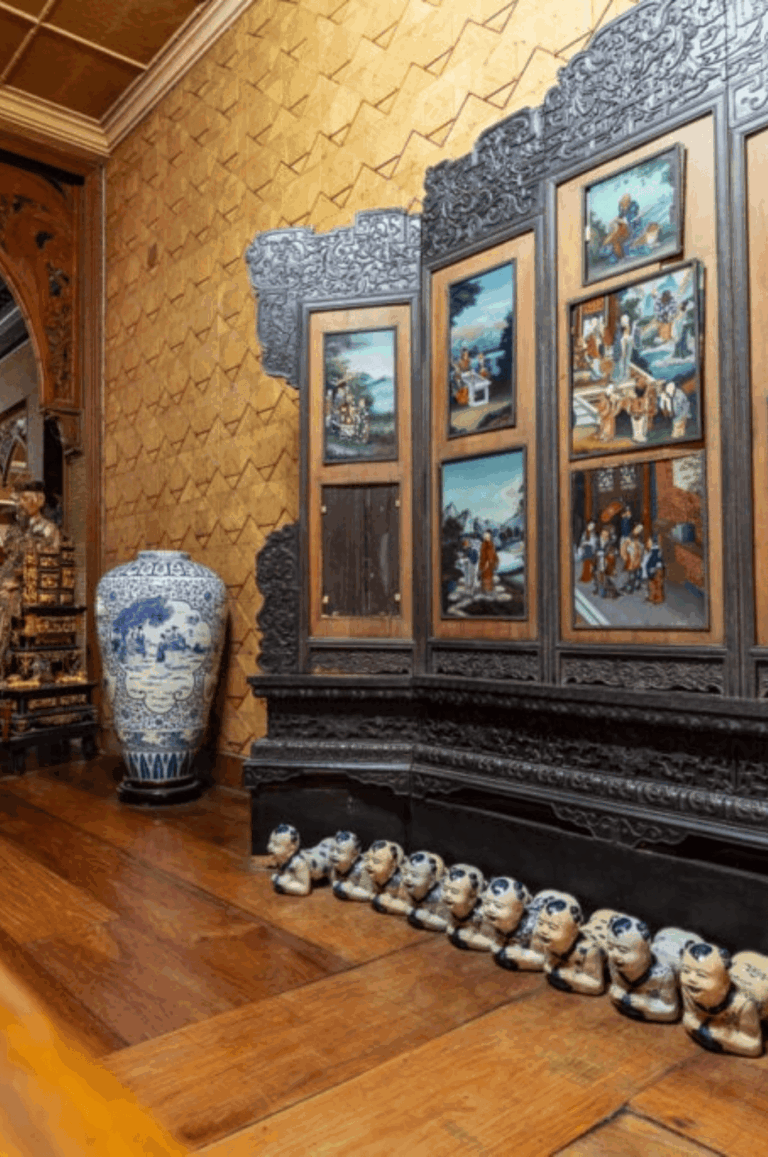
Sto. Niño Shrine & Heritage Museum in Tacloban, Leyte was built between 1979-1981 by Imelda Romualdez Marcos.It was originally one of the presidential rest houses. Sequestered by the government after 1986, it now operates as a museum under the Presidential Commission on Good Government. The building combines a chapel dedicated to Sto. Niño (the city’s patron saint), lavish guest rooms each with a unique Filipino or regional motif, a grand ballroom, and extensive art and antique collections—from Italian tiles and Austrian mirrors to Chinese porcelain jars and furniture.Though damaged by Typhoon Haiyan in 2013, much of its structure and collections remain
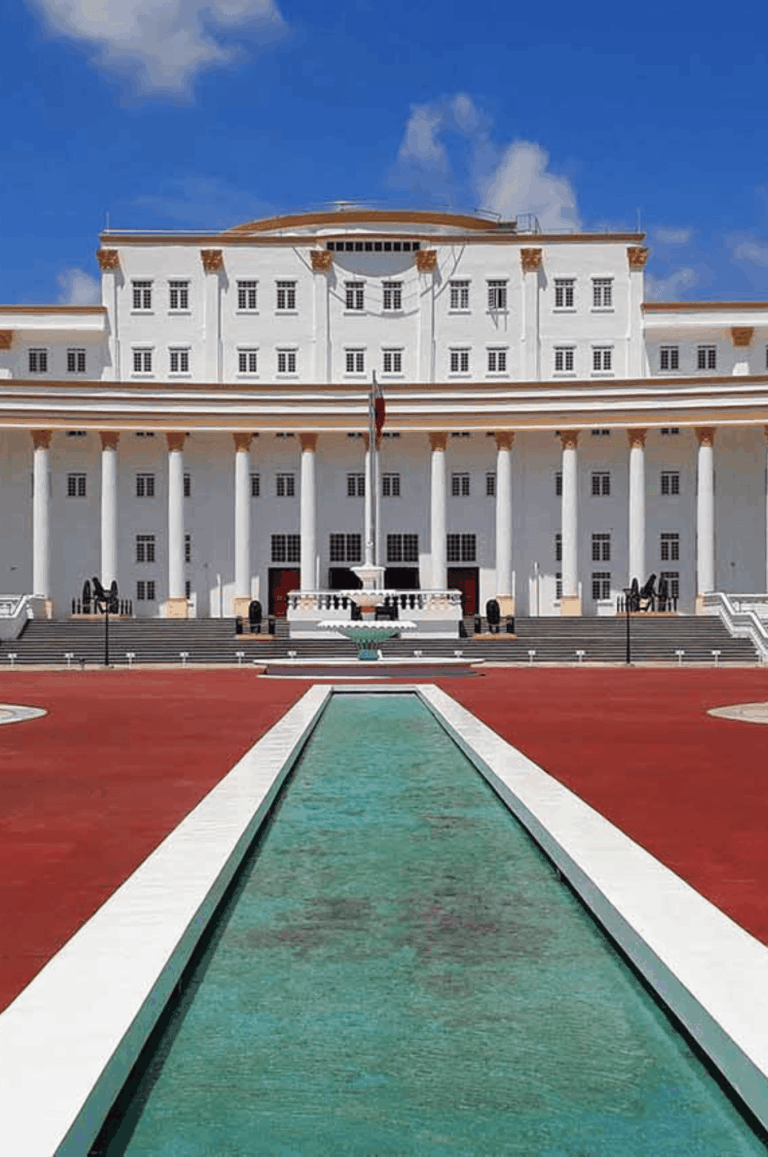
Built between 1917 and 1924, the Leyte Provincial Capitol in Tacloban City is a striking example of neoclassical architecture, featuring a façade with two rows of Ionic columns and ornamental reliefs crafted by Vidal Tampinco. During World War II, it briefly served as the temporary seat of the Philippine Commonwealth government, where Sergio Osmeña was sworn in as President in October 1944. Due to storm damage from Typhoon Yolanda in 2013 and earthquakes (notably in 2019), a new capitol building has since been inaugurated in Palo, while there are plans to convert the historic old building into a museum
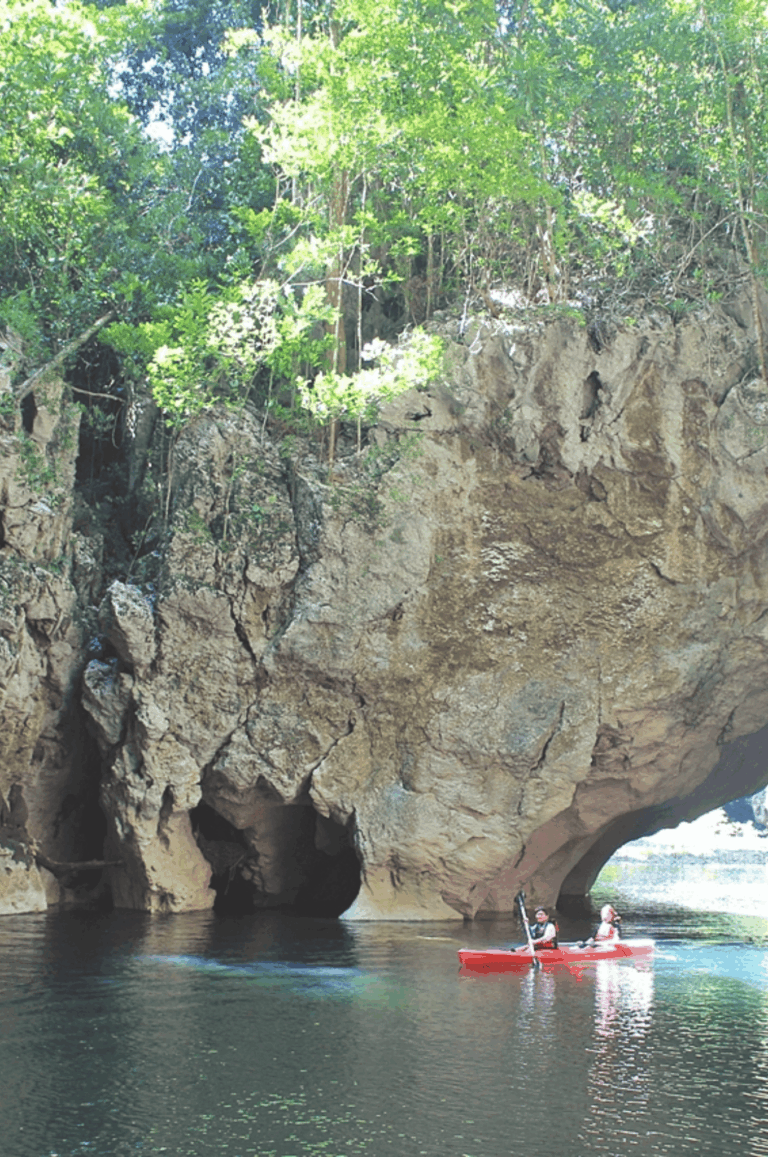
Sohoton Cave is a cathedral-like dome cave with a tall, parabolic-arched entrance rising about 50 meters high. Inside are jagged limestone formations including spike-shaped stalactites clinging to the ceiling and stalagmites lining the floor. Near its far end is a natural “window” balcony that overlooks a clear swimming pool, set in a dramatic setting of rugged cliffs, caves, and a river winding through the karst landscape
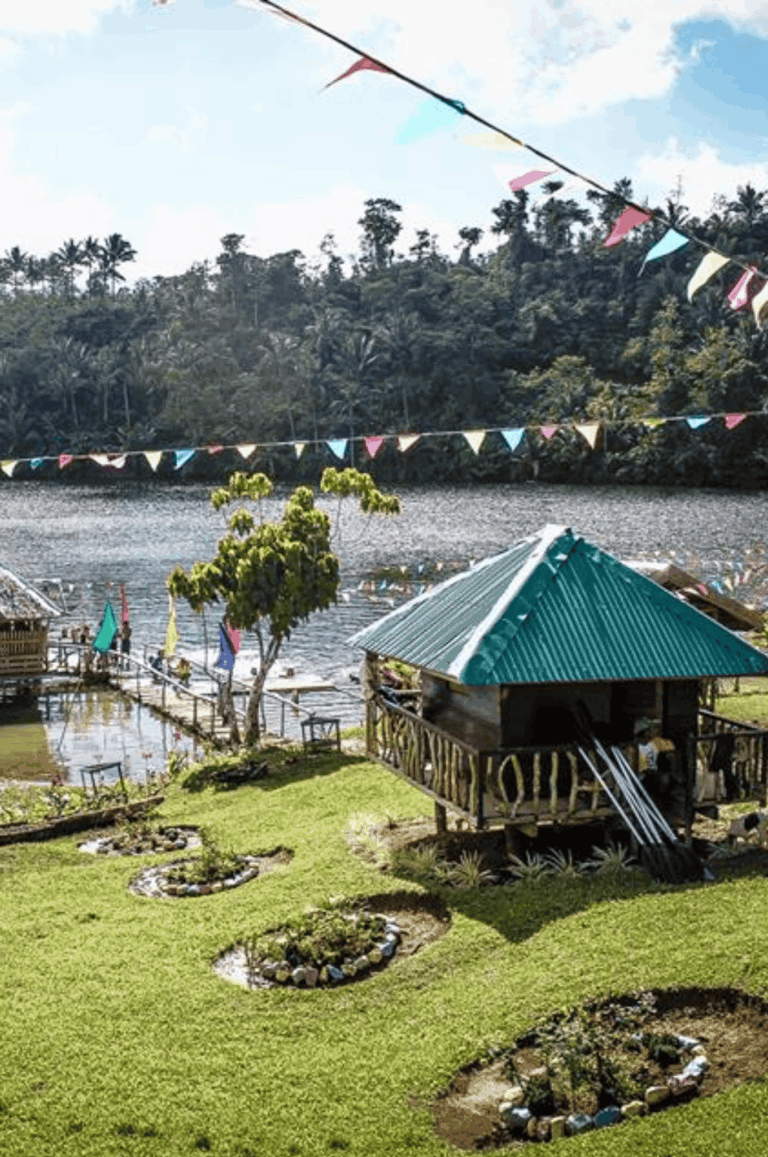
Mahagnao Volcano Natural Park is a protected ecotourism area in Burauen, Leyte, centered on the dormant Mahagnao Stratovolcano (≈ 860 meters above sea level). It features forested trails, crater lakes (including a lake with acidic green water), hot springs, waterfalls, mud pools, and rich biodiversity. The park is about 18 km from Burauen town center and about 65 km from Tacloban City, making it accessible for day trips or camping